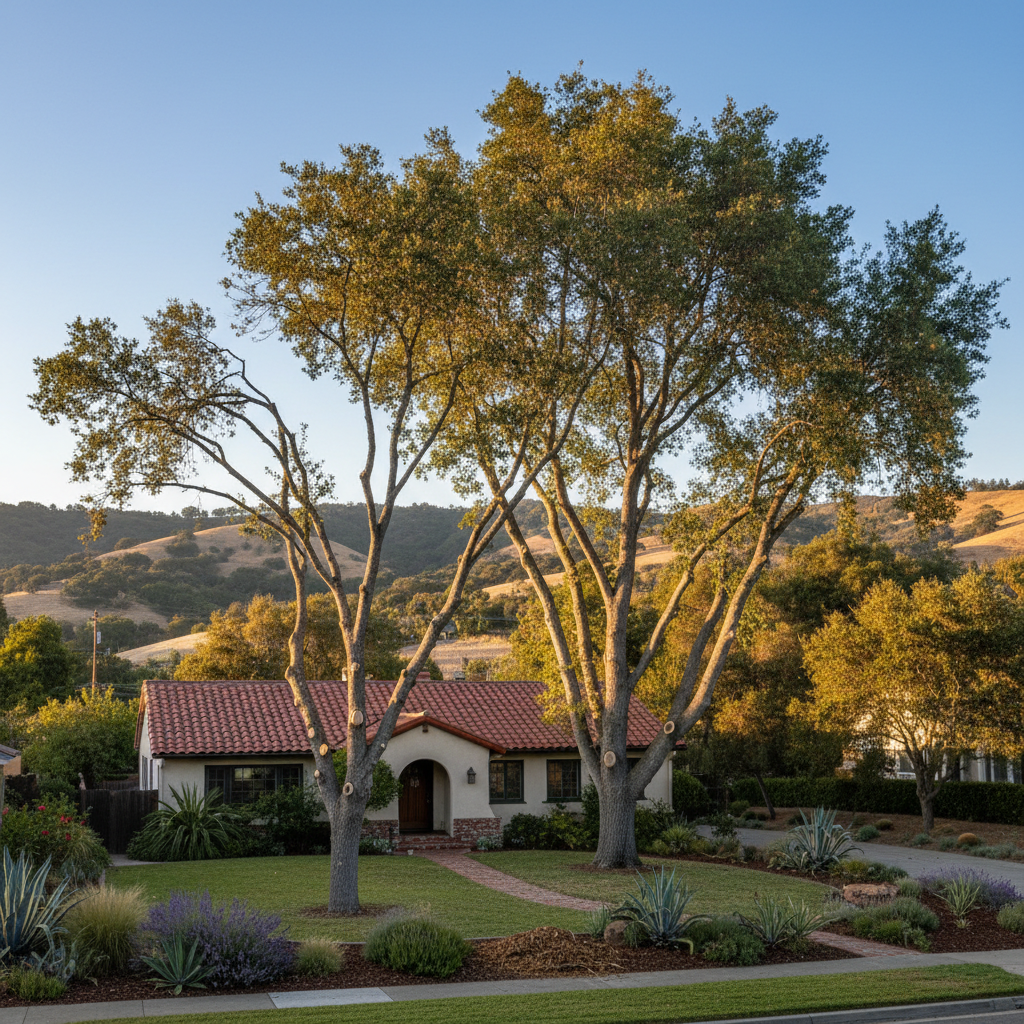
Alright, let's talk about tree trimming here in Menlo Park. You've got these beautiful trees, some of them probably decades old, and you want to keep them healthy and looking good. But when's the right time to get them trimmed? It's not just about aesthetics; it's about the tree's health and your property's safety, especially with our unique climate.
Timing is Everything for Tree Health
For most deciduous trees – the ones that lose their leaves in the fall – the dormant season is usually the best time for major structural pruning. That's typically late fall through early spring, after the leaves have dropped and before new buds start to swell. Why then? Well, without leaves, it's easier to see the tree's structure, identify dead or diseased branches, and make clean cuts. Plus, the tree is 'sleeping,' so it's less stressed by the pruning and has all spring and summer to recover and grow.
Now, for evergreen trees, it's a bit different. You can often trim them anytime you see a problem, but avoiding the hottest parts of summer or the coldest parts of winter is generally a good idea. Heavy pruning during extreme weather can stress them out. We don't get super cold winters here, but those summer heatwaves can be brutal, so keep that in mind.
Flowering trees? You usually want to prune those right after they finish blooming. That way, you're not cutting off the buds for next year's flowers. If you've got fruit trees, that's a whole other ballgame, and timing depends on the specific type of fruit and what you're trying to achieve – more fruit, better shape, etc.
Menlo Park Weather and Your Trimming Schedule
Our weather here in Menlo Park, especially with the Bay's influence, plays a big role. We don't get the harsh, freezing winters of other places, but we do get our share of wind and occasional heavy rain. Here's what I've seen:
- Windy Days: We get some serious gusts, especially in the spring and fall. Trying to trim a large tree when it's whipping around is dangerous for everyone involved – the crew, your property, and the tree itself. We'll reschedule if the wind is too strong. Safety first, always.
- Rain: Light rain isn't usually a problem, but heavy downpours? That's a no-go. Wet wood can be slippery, and visibility drops. Plus, working with power tools in a deluge isn't smart. We're not going to risk it.
- Heatwaves: Those 90+ degree days we get in late summer and early fall? Not ideal for a tree to recover from a big trim. It's already under stress from the heat. We prefer to work in cooler conditions for the tree's sake and our crew's safety.
- Drought Conditions: This is a big one for us in California. When we're in a severe drought, trees are already stressed. Heavy pruning during these times can be detrimental. Sometimes it's better to hold off on major work until the tree has had a chance to recover with some water.
Think about the soil too. We've got a mix of soil types around here, some areas with more clay, some sandier. If it's been really wet, the ground can get soft, making it tricky to bring in heavy equipment without compacting soil or leaving ruts in your lawn, especially in areas like the Allied Arts neighborhood where properties are often well-maintained.
Protecting Your Investment Year-Round
Regular, thoughtful trimming isn't just about making your trees look good; it's about protecting your investment in your property. A healthy tree adds value and curb appeal. A neglected one can become a hazard. Here's how to keep them thriving:
- Annual Check-ups: Just like your car, your trees benefit from a yearly look-over. I can spot potential issues early – disease, pests, weak limbs – before they become big, expensive problems.
- Clearance Pruning: Keep branches away from your house, power lines, and neighboring properties. This prevents damage during storms and keeps things safe.
- Deadwood Removal: Dead branches are weak branches. They're prime candidates to break off in a storm, potentially damaging your roof, car, or even someone walking by. Getting them out is crucial.
- Structural Pruning: Especially for younger trees, guiding their growth with proper cuts can prevent future issues like weak crotches or lopsided growth. It sets them up for a long, healthy life.
Don't wait until a branch is scraping your roof or you see a huge crack in a limb. Be proactive. If you're unsure about what your trees need or when to schedule something, just give us a call at All Things Tree. We're happy to come out, take a look, and give you an honest assessment. We've been doing this a long time, and we know Menlo Park trees.