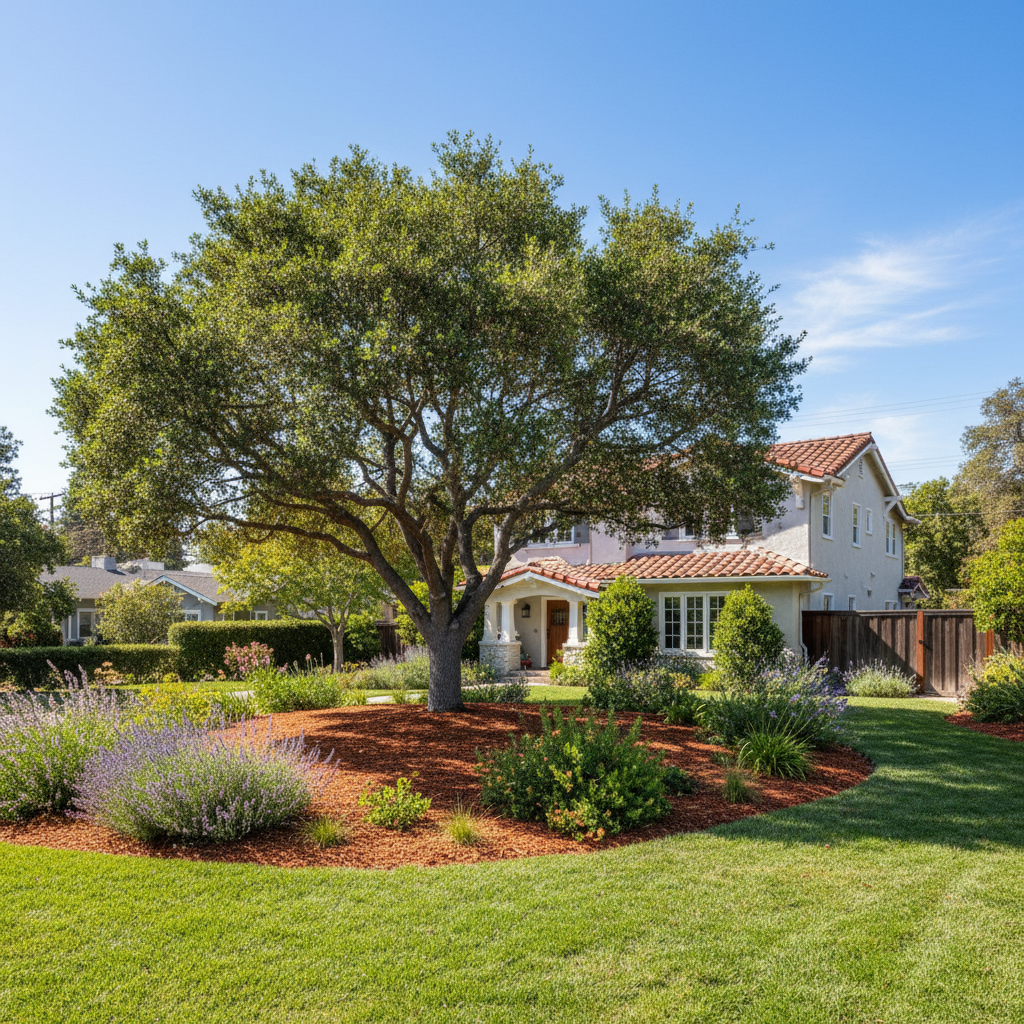
Your Trees Are an Investment – Let's Protect It
Look, your trees aren't just pretty faces. They add value to your property, provide shade, and make our Menlo Park neighborhoods feel like home. But like any investment, they need care. You wouldn't buy a classic car and never change the oil, right? Same goes for your trees. I've seen too many folks neglect their trees only to face bigger, more expensive problems down the line. Let's talk about keeping them healthy and extending their life.
Regular Maintenance: It's Not Just About Pruning
When I talk about regular maintenance, most people immediately think of pruning. And yes, that's crucial, but it's only one piece of the puzzle. Here's what else you should be doing:
Watering, Especially in Droughts: We live in California; dry spells are just part of the deal. Even mature trees need supplemental water during extended dry periods, especially our native oaks. Deep, infrequent watering is key – think slow drip for several hours rather than a quick sprinkle. You want that water to soak down to the deep roots, not just wet the surface. Young trees, of course, need more consistent watering as they establish.
Mulching: This is a simple, effective trick that too many homeowners skip. A 2-4 inch layer of organic mulch (like wood chips) around the base of your tree, keeping it a few inches away from the trunk, does wonders. It conserves moisture, regulates soil temperature, and suppresses weeds. It's like a cozy blanket for your tree's roots.
Soil Health: Our clay soils here in Menlo Park can get compacted, making it tough for roots to breathe and absorb nutrients. Avoid driving or parking heavy vehicles under the canopy. Consider a soil test every few years if your trees aren't thriving; sometimes they just need a specific nutrient boost.
Inspections: You don't need to be an arborist to do a quick visual check. Walk around your trees once a month. Are there any strange growths? Discolored leaves? Pests? Catching these things early can save your tree.
Warning Signs: Don't Ignore These Red Flags
Your trees can't talk, but they sure do show signs when something's wrong. Here are some common red flags I tell folks to look out for:
Leaf Changes: Yellowing leaves when they shouldn't be, leaves dropping prematurely, or leaves that look scorched or chewed up. Different issues cause different leaf symptoms, but any significant change is worth investigating.
Branch Dieback: Dead branches, especially if they're numerous or on one side of the tree, are a clear sign of stress or disease. Sometimes it's just old age, but often it's something more serious.
Trunk and Bark Issues: Cracks, peeling bark, cankers (sunken areas), or fungal growths like mushrooms on the trunk or at the base. These can indicate internal decay or disease.
Pests: Small holes in the bark, sawdust-like material (frass), or visible insects like aphids or scale. Some pests are harmless, others can quickly kill a tree.
Leaning or Instability: If your tree suddenly starts leaning, or you see roots heaving out of the ground, that's an emergency. Especially with our winter storms, a falling tree is a serious hazard.
When to Call a Professional (Like All Things Tree)
You can handle a lot of the basic stuff yourself, but there are definitely times when you need to bring in the pros. Don't try to be a hero with a chainsaw; it's just not worth the risk. Here's when to pick up the phone:
Large Branch Removal: Anything beyond small, easily accessible branches. Big cuts need to be made correctly to prevent damage to the tree and yourself.
Tree Health Concerns: If you've spotted any of those warning signs and you're not sure what's going on, or if you suspect disease or a serious pest infestation. We can diagnose the problem and recommend treatment.
Storm Damage: After a big wind or rain event, if branches are broken, hanging precariously, or if the tree looks unstable. This often requires specialized equipment and expertise.
Tree Planting: Getting a new tree off to the right start is critical. We can help you choose the right species for your specific site conditions and ensure it's planted correctly for long-term health.
Proximity to Structures or Power Lines: Any work near your house, fences, or especially power lines is a job for certified professionals. Safety first, always.
Regular Structural Pruning: For mature trees, especially those providing significant shade or near structures, regular structural pruning every few years helps maintain their health, shape, and reduces the risk of limb failure. It's preventative care that pays off.
Taking good care of your trees isn't just about aesthetics; it's about safety, property value, and enjoying your outdoor space. If you've got questions or you're seeing something that worries you, don't hesitate to reach out. We're here to help Menlo Park's trees thrive.